Catnip for Cats: Why Cats Love It and How to Use It Safely
Catnip for cats is one of the most popular natural treats for feline companions.
Many cat owners have watched their pets roll, rub, and play wildly after smelling catnip.
This fascinating plant triggers a natural reaction in many cats that can stimulate play,
reduce stress, and provide important mental enrichment.
Understanding how catnip works and how to use it properly can help you give your cat a
fun and safe experience while encouraging healthy behaviors.
Quick Catnip Facts
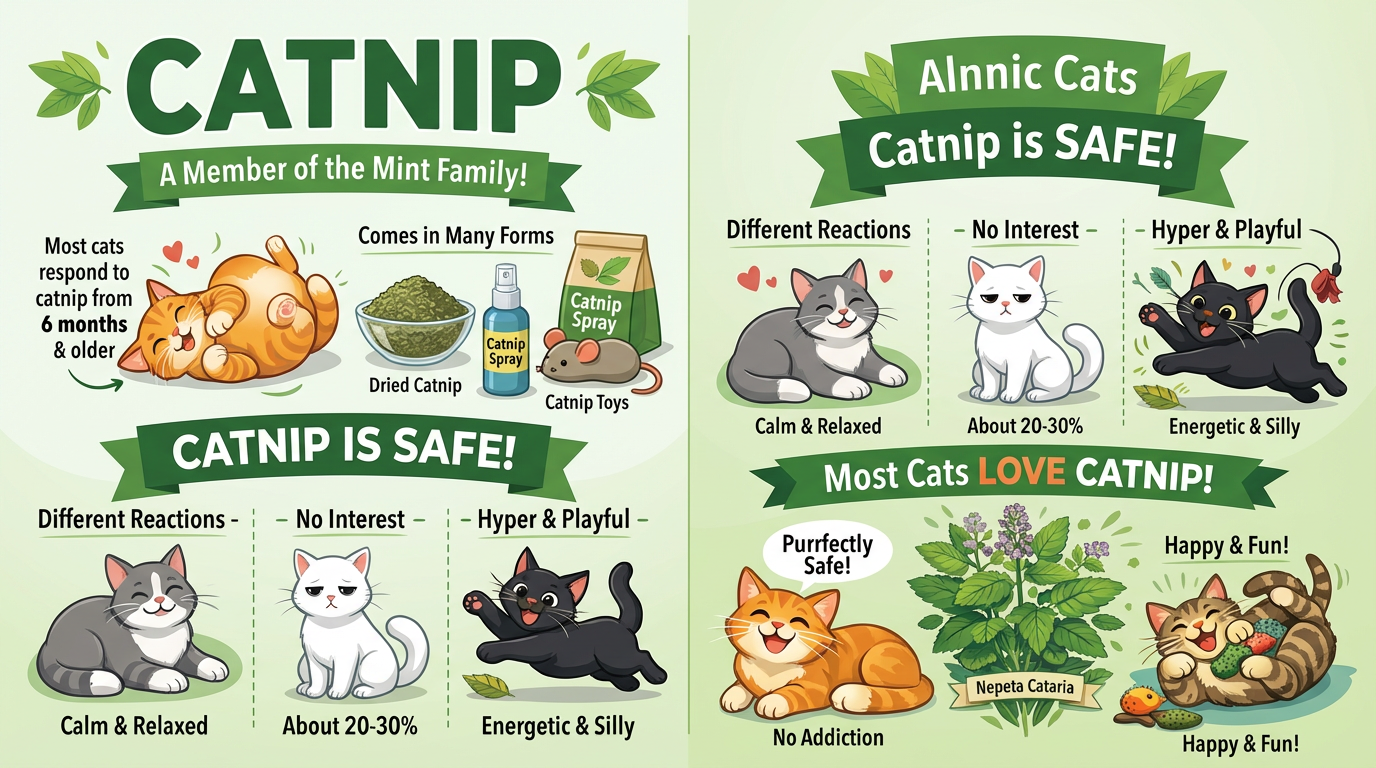
- About 60–70% of cats respond to catnip
- Effects usually last 5–15 minutes
- Kittens under 4 months rarely react
- Catnip is safe and non-addictive
- Encourages healthy play and exercise
What Is Catnip?
Catnip is a natural herb belonging to the mint family, scientifically known as
Nepeta cataria. The leaves and stems contain a compound called
nepetalactone. When cats smell this compound, it stimulates receptors
in the nose that trigger reactions in the brain related to mood and behavior.
Catnip for cats is commonly available in several forms:
- Dried loose catnip
- Catnip-filled toys
- Catnip spray
- Fresh catnip plants
Why Cats Love Catnip
When cats smell catnip, the nepetalactone compound activates receptors that stimulate
parts of the brain responsible for emotional and behavioral responses.
Depending on the cat, this can lead to bursts of playful energy or calm relaxation.
Common reactions include:
- Rolling on the ground
- Rubbing their face on the catnip
- Playful zooming and jumping
- Purring or vocalizing
- Relaxing after the excitement
The effects usually last about 10 minutes. After that, cats temporarily
lose sensitivity to catnip until their receptors reset.
Do All Cats React to Catnip?
Not every cat responds to catnip. Sensitivity is genetic and about
two-thirds of cats react to it.
Kittens typically do not respond to catnip until they reach
4–6 months of age. Some cats may never respond at all.
Is Catnip Safe for Cats?
Yes. Catnip for cats is completely safe and non-addictive. Cats naturally stop responding
once they have had enough.
However, moderation is recommended because eating large amounts of catnip may cause mild
stomach upset in rare cases.
Tips for Using Catnip Safely
- Offer catnip a few times per week
- Use small amounts
- Store catnip in an airtight container
- Refresh toys with catnip to keep them exciting
Benefits of Catnip for Cats
Encourages Exercise
Catnip stimulates playful behavior that helps cats stay active and healthy.
Reduces Stress
Some cats become calm and relaxed after interacting with catnip.
Mental Stimulation
Catnip activates natural hunting and play instincts that keep cats engaged.
Better Scratching Habits
Sprinkling catnip on scratching posts encourages healthy scratching behavior.
Different Ways to Give Catnip to Your Cat
Dried Catnip
Sprinkle a small amount on toys, cat beds, or scratching posts.
Catnip Toys
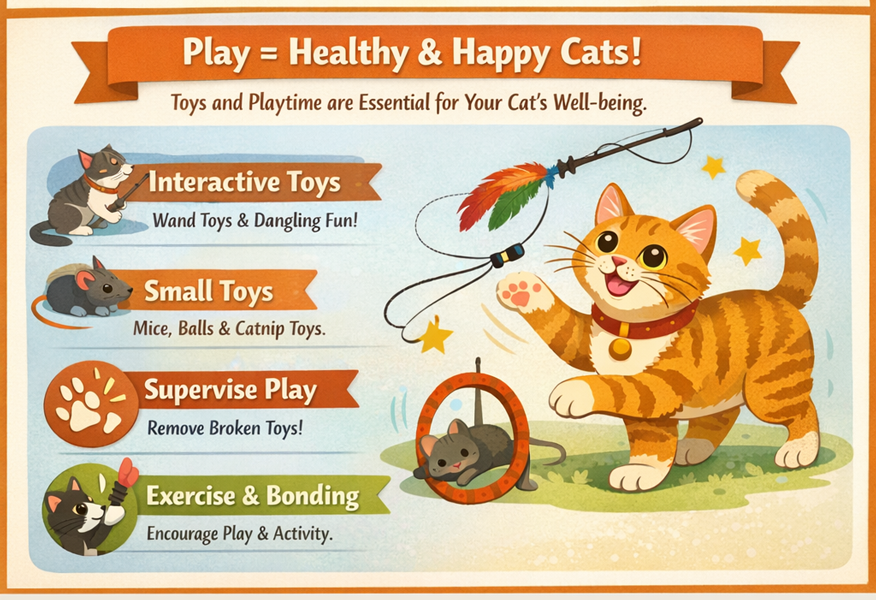
Many cat toys contain catnip inside to encourage play and exercise.
Catnip Spray
Catnip spray can refresh toys and attract cats to scratching posts.
Fresh Catnip Plants
Growing catnip at home provides a fresh and natural treat for your cat.
Tip for Cat Owners
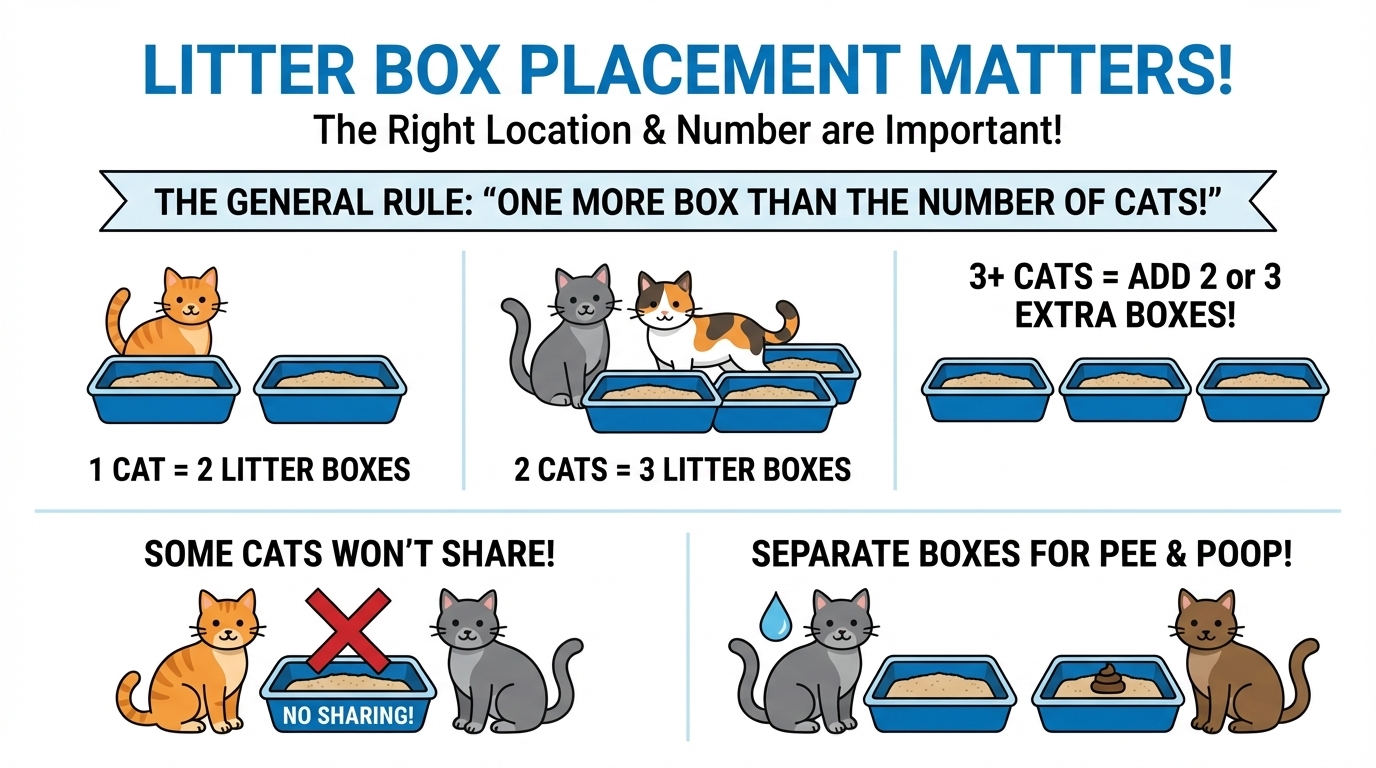
Pairing catnip playtime with a clean litter environment helps keep cats happy and healthy.
Providing a comfortable litter box and engaging toys creates the perfect routine for your feline companion.
Frequently Asked Questions
Does catnip make cats high?
Catnip triggers sensory receptors that create playful or calming behavior.
The effect is temporary and harmless.
How often should cats have catnip?
Most cats can safely enjoy catnip a few times per week.
Is catnip addictive?
No. Catnip is non-addictive and safe for cats.
Final Thoughts
Catnip for cats is a safe, natural, and enjoyable way to enrich your cat’s life.
Whether it encourages energetic play or calm relaxation, catnip provides valuable
mental and physical stimulation for many cats.
By offering catnip occasionally and observing how your cat responds, you can
create fun and engaging experiences that support your cat’s overall wellbeing.
Leave A Comment